.png)
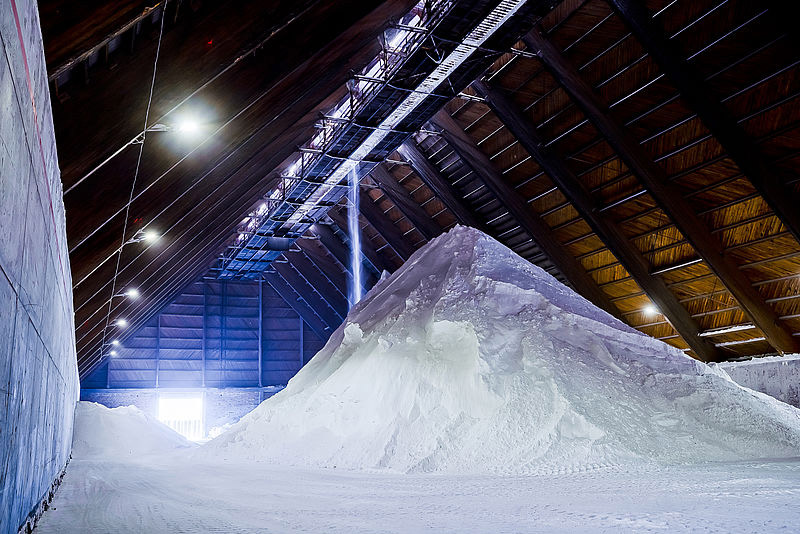
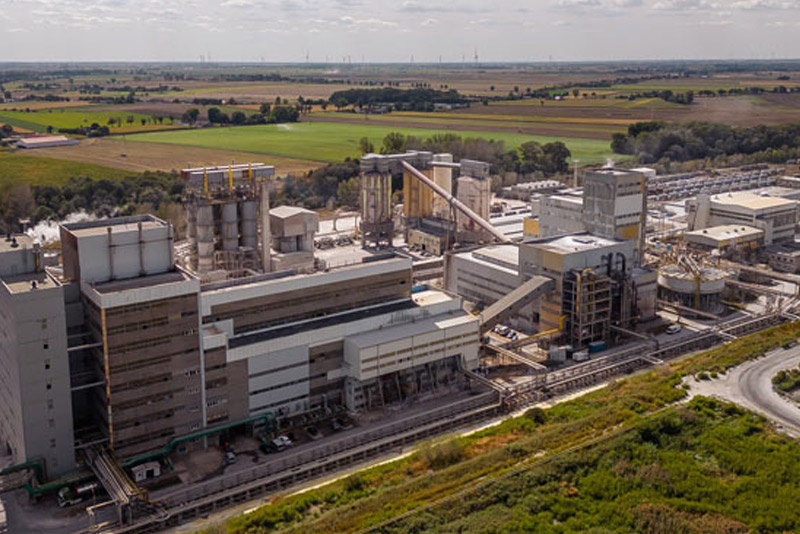
“The transaction enables QEMETICA to unlock capital and allocate it to strategic areas. This marks the end of an era and the beginning of a new chapter, in which energy recovery from waste becomes one of the pillars of our Group’s continued growth. We are placing the salt business, which we have developed intensively and successfully in recent years, in good hands. It has experienced strong growth, with EBITDA increasing from around PLN 60 million a few years ago to a current target of approximately PLN 200 million. Now this unit, together with two very well-functioning production plants in Staßfurt and Janikowo, will be acquired by global player K+S, which intends to develop it further based on its know-how and market position.” says Kamil Majczak, CEO of QEMETICA.
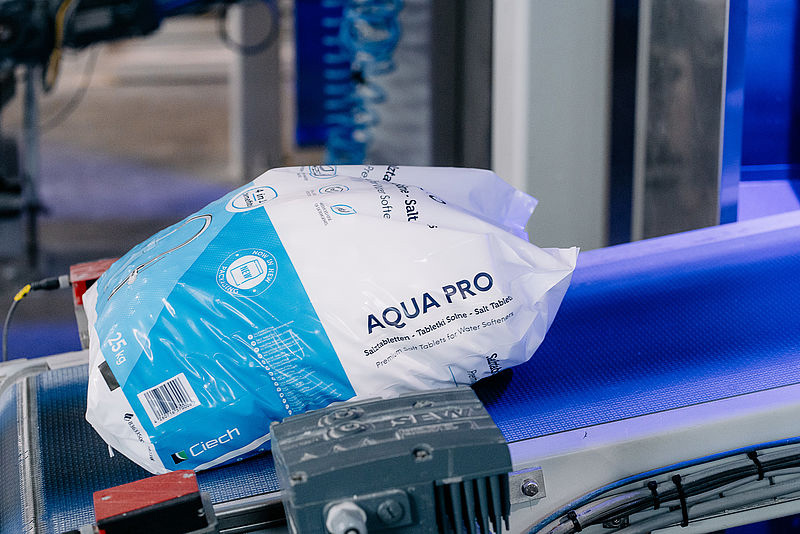
K+S is an international salt and fertilizer company, with decades of experience in managing salt plants. Through the acquisition of QEMETICA’s two evaporated salt sites focused on the production of specialty salts, the company is further expanding its own European salt business and opening up additional growth potential in the region.
“This represents an ideal expansion of our existing portfolio. We look forward to welcoming our new colleagues in Staßfurt and Janikowo to the K+S family soon. Both sites will become an integral part of K+S’s existing salt business and contribute to future growth, particularly in Central and Eastern Europe – says K+S CEO Dr. Christian H. Meyer.
Closing of the salt business sale is planned for the first quarter of 2027, subject to the required regulatory approvals. QEMETICA was supported by Lazard, GIDE, and PwC in the sale process.
To support its strategic objectives, QEMETICA has established a new Resource Recovery business unit. For a company operating in the chemical sector, which is by nature energy-intensive, this is a matter of resilience and operational security.
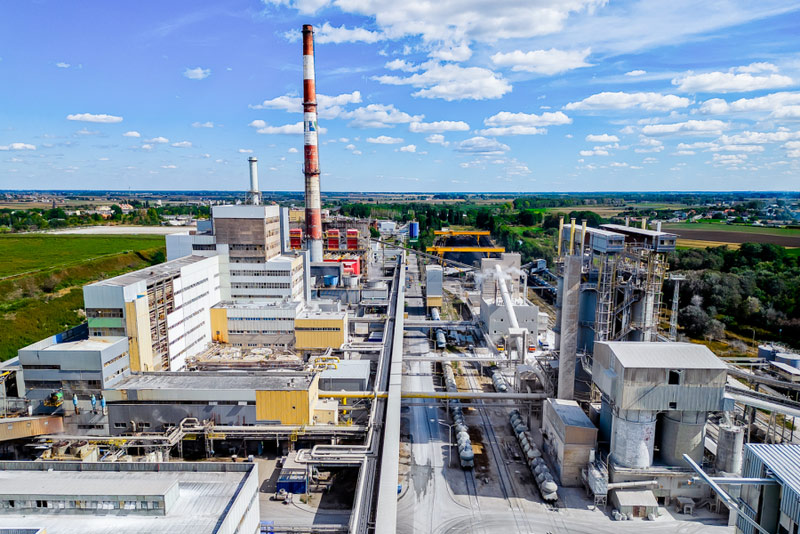
The Group has already launched a tender for the construction of Poland’s largest waste-to-energy facility in Inowrocław, with an estimated value of PLN 1.4 billion. By 2032, QEMETICA plans to launch several similar facilities in Poland, using municipal or industrial waste as fuel.
“We need to develop our own sources of lower-cost energy if we want to remain competitive in the market. That is why we are implementing two strategic energy projects for our soda business in Inowrocław: the construction of Poland’s largest thermal waste treatment facility and the conversion of a coal-fired boiler to biomass. These investments will increase the plant’s energy security, improve cost predictability, and strengthen its competitiveness. At the same time, the waste-to-energy facility will become the foundation of the new Resource Recovery business unit. But we are going further and, as part of the newly established business, looking for new locations for similar projects across Poland. The next site on the map will be Janikowo,” said Kamil Majczak, CEO of QEMETICA.
QEMETICA expects that the development of the Resource Recovery segment will help secure the energy needs of its own plants and create a new revenue stream based on the sale of energy and heat.
“In the next stages, we intend to offer energy also to external customers and to the communities where our plants are located. We want to become a partner for local governments in building efficient district heating systems. This cannot be done based on coal,” said Piotr Kapuściński, who has been appointed head of the new Resource Recovery business at QEMETICA Group.
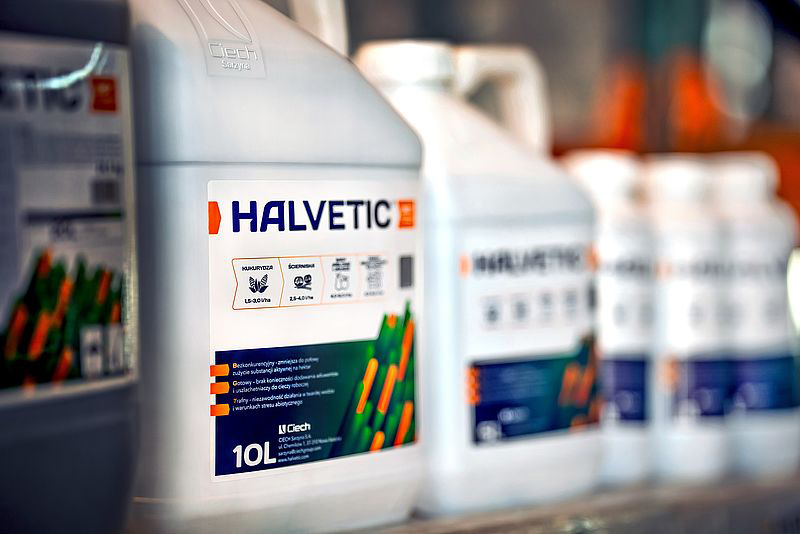
At the same time, QEMETICA continues its international expansion, entering Australia with agricultural products and exploring further growth opportunities for its silica business in North America and Asia. Silica remains one of the Group’s key growth areas, particularly following the earlier expansion of its footprint with precipitated silica production plants in the United States and the Netherlands.
“Not only new areas of activity, but also globalization is intended to help us build competitive advantage and drive growth across the entire Group. We are increasingly bold and confident in moving beyond heavily regulated Europe. Australia is now appearing on our export map. This is a major step for us, as we are entering an entirely new continent with our agro business. Following last year’s acquisition of precipitated silica plants in the United States and the Netherlands, we are also seeking further growth opportunities in North America, where we see silica as one of the key growth levers in the region.” pointed out QEMETICA’s CEO.